September 2026
Furnishing a living room with antiques without a museum feel
One strong piece, two or three accents, the rest quiet: the simple method for bringing antiques into a contemporary interior.
Antiques in a modern living room succeed when they are rare, and fail when they are complete. The difference between a room that breathes and a museum parlour comes down to one rule: one strong piece, two or three accents, and space around them.
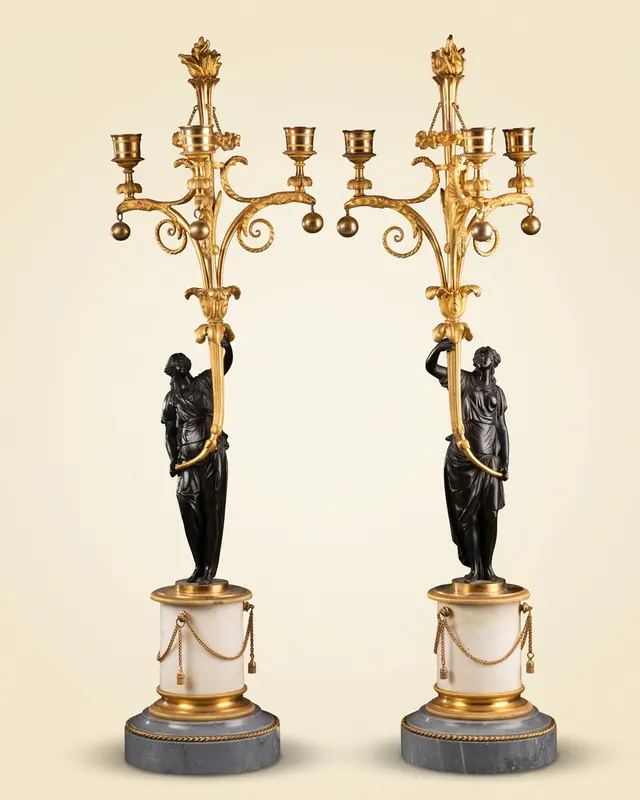
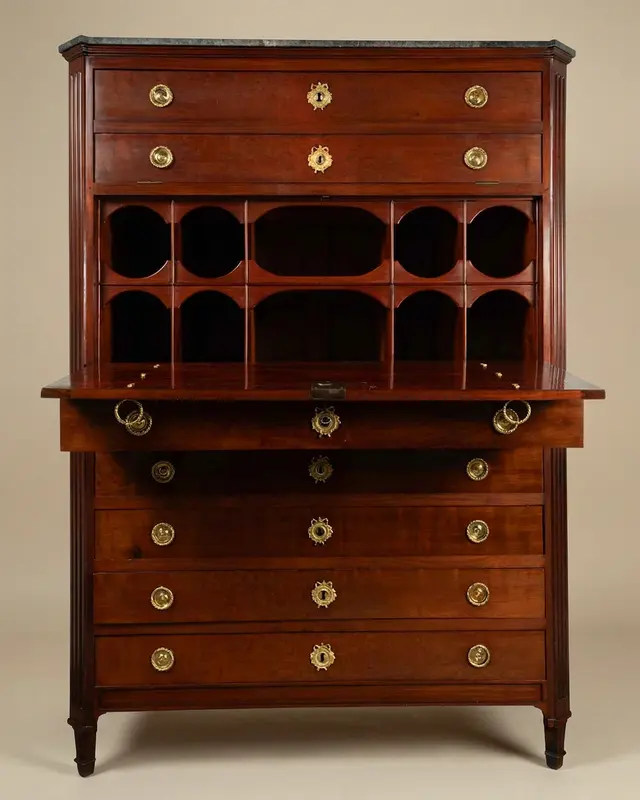
The strong piece first. A single piece of furniture carries the room: a Louis XVI commode under a large painting, an oak armoire in a hall, a farmhouse table in a dining room. You choose it for its presence — proportion, patina, silhouette — and you leave it air, above all above and beside it.
Then the accents, two or three at most: a gilt mirror above a contemporary sofa, a pair of period armchairs re-covered in a plain modern fabric, a guéridon beside an architect's lamp. Old and new always answer each other by contrast — never by equal mixture.
What makes it fail: totality. An entirely 18th-century living room is no longer a living room, it is a reconstruction. And accumulation: three commodes in one room spoil each other, where each alone would shine.
One last practical point: antiques mix extremely well with quiet recent furniture. A simple contemporary sofa in front of an antique commode is the safest formula in the market.
At Maison Boitel, pieces are photographed one by one, with exact dimensions — enough to choose the strong piece from a distance, directly from the dealer who holds it, with 0% commission.