August 2026
Antique vs vintage furniture: how to tell the difference
Age, authenticity, value: a clear guide to telling an antique piece from a vintage one, and buying with confidence.
In the antiques world, the words antique and vintage are often used interchangeably. Yet they describe two different things, and confusing them can be costly at both the buying and the resale stage. This guide sets out the definitions, the practical clues, and the pitfalls to avoid.
What Is Considered Antique Furniture?
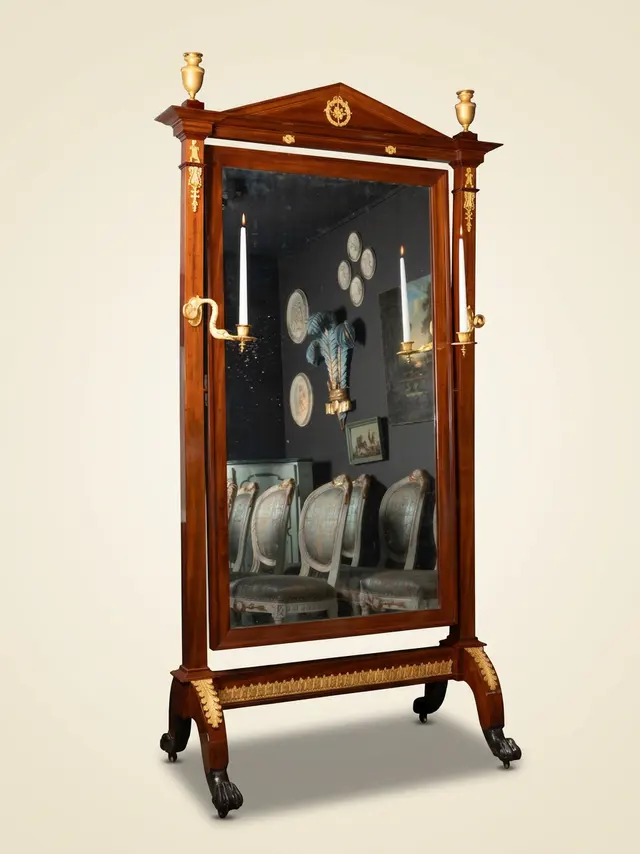
Antique furniture is furniture made more than a hundred years ago, and made largely by hand. In practice that means nineteenth-century pieces and earlier, usually attached to a recognised style (Louis-Philippe, Restauration, Empire, Biedermeier). Age alone is not enough: dealers and customs authorities look for handwork, period materials and consistent wear before calling a piece antique.
Antique vs Vintage Furniture: What's the Difference?
The first distinction is chronological. An antique piece of furniture is generally over a hundred years old: think of nineteenth-century or earlier items, often tied to a recognised style (Louis-Philippe, Restauration, Empire, Biedermeier). A vintage piece is between twenty and a hundred years old: it usually belongs to the twentieth century, from 1930s Art Deco to 1960s Scandinavian design, through 1970s Italian manufacturers. Under twenty years, you are in the territory of retro or collectible contemporary design.
Beyond age, the relationship to industrialisation separates the two families. Antique furniture is largely handmade: mortise-and-tenon joints, wooden dowels, drawer bottoms sliding on rails, solid-wood panels. Vintage pieces, even signed ones, often come from semi-industrial production: moulded plywood, metal screws, standardised hardware, veneer on a panel core. Recognising these construction techniques is one of the most reliable ways to date a piece without an expert.
| Antique | Vintage | Modern | |
|---|---|---|---|
| Typical age | Over 100 years (19th century or earlier) | 20 to 100 years (mostly 20th century) | Under 20 years |
| How it was made | Handwork: mortise-and-tenon, wooden dowels, hand-cut dovetails | Semi-industrial: moulded plywood, metal screws, standard hardware | Fully industrial, flat-pack fittings, cam locks |
| Materials | Solid and rare timbers, hand-cut veneer, bronze mounts | Plywood, teak, chrome, Formica, moulded plastics, foam | MDF, particle board, printed foil, synthetic finishes |
| Signs of age | Uneven wear, softened edges, crazed varnish, oxidised bronze | More uniform wear, faded finishes, sometimes reproduced | Little or no genuine patina |
| Collectability | Style, rarity and provenance drive value | Designer and maker labels drive value | Rarely collectable yet |
How to Date Antique Furniture
You can place most pieces within a few decades yourself by reading four things in order: how the timber was cut and joined, the hardware, the finish and patina, and any marks. None is conclusive alone; together they rarely lie.
Patina and wear also tell a story. On an antique piece, wear is uneven and logical: softened edges where it was handled, finely cracked varnish, natural oxidation of bronze handles. On a vintage piece, wear tends to be more uniform, sometimes deliberately reproduced. Be wary of patinas that are too perfect or too regular: they can signal a reproduction or an artificially aged piece.
Material identification confirms the age. Rare species and solid woods dominate the antique; plywood, Formica, moulded plastics, and synthetic foams are typical of vintage. An oak piece with solid-wood drawer bottoms leans antique; a 1960s moulded plastic shell chair is resolutely vintage. Knowing the materials of each era helps avoid fakes and misattributions.
Marks, labels, and stamps are valuable clues. Antique furniture sometimes bears a master's stamp, a guild mark, or a handwritten cabinetmaker's label. Vintage pieces more readily display a printed label, a manufacturer's logo (Knoll, Cassina, Fritz Hansen, Artifort), or a moulded serial number under the seat. These marks alone do not guarantee authenticity, but they orient the dating and, often, the market value.
Value does not follow age in a straight line. An antique piece is not necessarily more expensive than a coveted vintage object: a chair signed by a recognised designer can exceed the price of a more ordinary older piece. Value depends on style, rarity, condition, signature, and, above all, current demand. The contemporary market highly values twentieth-century design, which sometimes narrows the price gap between the two categories.
To buy with peace of mind, always ask for the estimated age, the materials, any restorations, and any original documentation. A serious seller answers precisely. At Maison Boitel, each piece is described with its period, style, and condition, and our partner dealers remain available to clarify provenance. The goal is not to rank antique above vintage or vice versa, but to let you choose in full knowledge of what you are buying.