August 2026
Art Deco: recognising the real markers
Geometry, exotic woods and metal: what separates 1925 from 1980s pastiche.
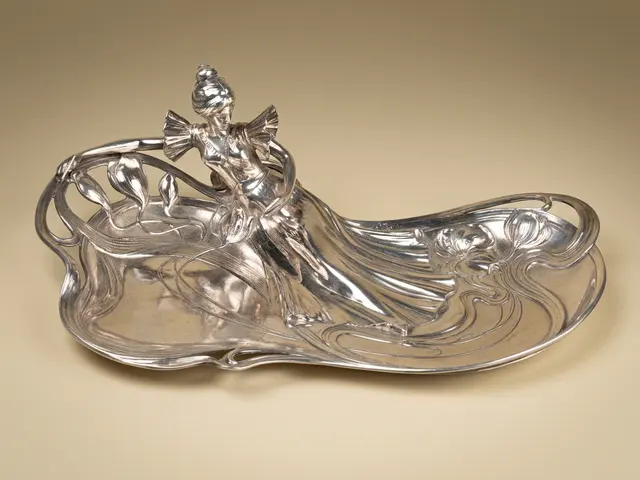
Art Deco is born of a refusal: that of the plant curves of Art Nouveau. Lines become straight, volumes solid, symmetry regains its rights. The effect is sought through material rather than ornament.
The woods used are precious: macassar ebony, rosewood, amboyna burl, often laid as mirrored veneers that exploit the natural figure of the grain. A 1925 piece is heavy, its angles crisp, its doors firm.
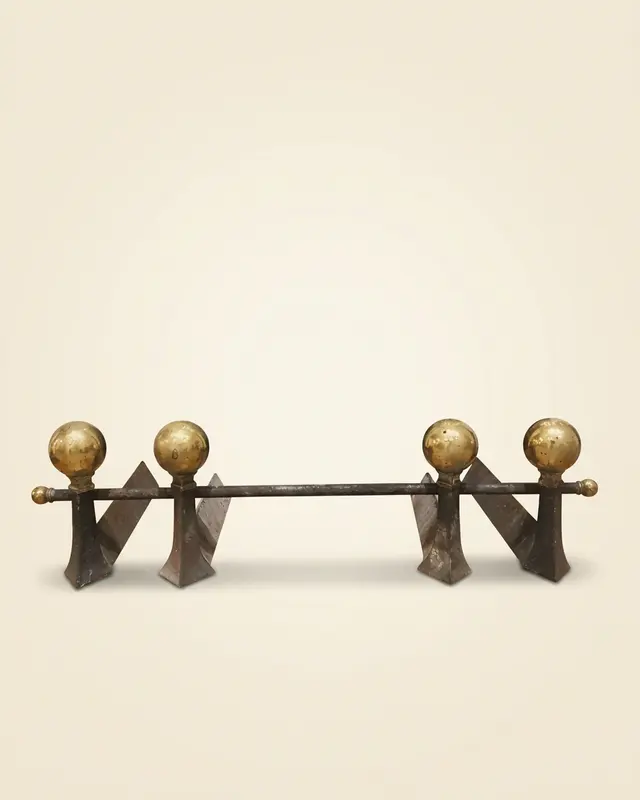
Metal appears everywhere — nickel, chrome, brass — as inlaid lines, sabots and handles. It is a reliable marker: later pastiche uses it with less precision and often fixes it with visible screws.
Finally, Belgium has its own Art Deco vein, more sober than the Parisian one, shaped by 1930s Brussels interiors and a very controlled use of marble.