August 2026
Flea markets in Brussels: where to hunt and how to buy well
From the Marolles to the Sablon, a practical guide to finding antique furniture, paintings and characterful objects in Brussels.
Brussels is a city of hunters. Every morning, the Place du Jeu de Balle in the Marolles puts back into circulation what Brussels interiors have accumulated over two centuries: bistro chairs, brass lighting, engravings, glassware, sometimes a forgotten cabinetmaker's piece buried under a pile of linen.
A few streets away, the Sablon district plays a different tune: antique galleries, specialists in 18th-century furniture, old master dealers and auction rooms. Prices differ, but this is where you train your eye — reading a patina, a joint, a signature.
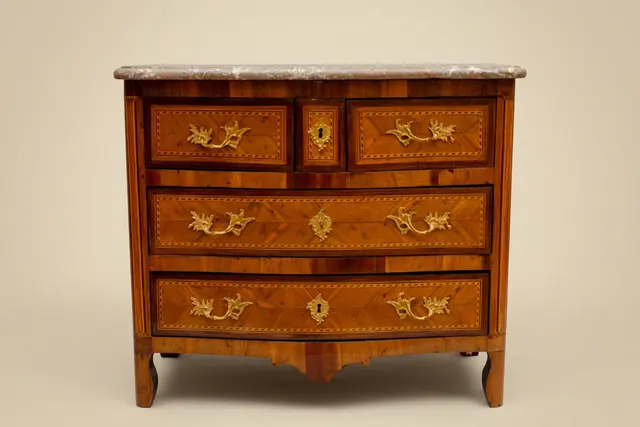
A few pointers before buying. Look at the structure first: an antique is judged by its joinery, the logical wear of its feet, the colour of the wood where hands have passed. Drawers should show the marks of time inside as well. On a painting, examine the stretcher and the back as much as the surface: restorations leave more clues there than the varnish does.
Then ask about provenance. A serious seller knows where a piece comes from, what has been restored and what is original. That transparency is worth more than a vague certificate.
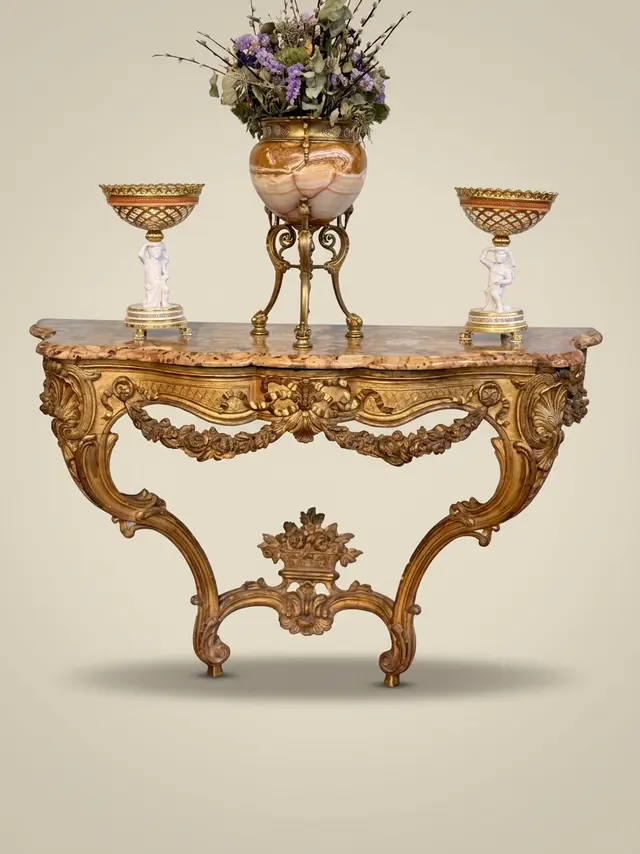
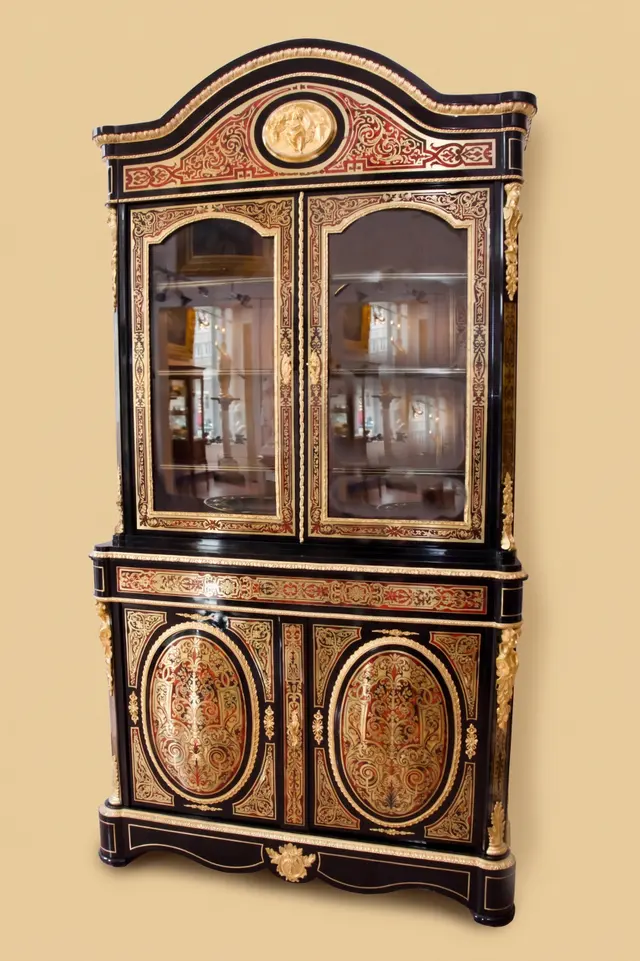
Finally, think about transport before saying yes. A marble console or an oak bookcase is easy to negotiate; carrying it up three floors is not. Professional, insured delivery is part of the real price of the object.
This is the approach we take at Maison Boitel: a tight selection from independent dealers, every piece documented (style, period, materials, condition, city), viewable by appointment in Brussels and deliverable across the world. Browse the collection, or read our page for visitors in Brussels.
See our antique dealers and the antiques available in Brussels